Republished by Newlife - Flexstone. All rights belong to the original publisher; see Source below.
The United States packaging industry, its suppliers and related industries support about 1.82 million jobs and generate an estimated USD 694.79 billion in economic output, according to a recently published study by the American Institute for Packaging and the Environment (AMERIPEN).
The Washington-based organization’s "2026 Packaging Industry Economic Impacts Study," conducted by John Dunham & Associates, examines the packaging industry’s size, scope and contribution to the U.S. economy at the national and state levels. The study estimates the industry’s economic output at 2.14 percent of U.S. gross domestic product, and claims workers in the packaging industry receive about USD 160.39 billion in wages and benefits, while packaging manufacturers and their employees contribute an estimated USD 63.35 billion in federal, state and local taxes.
“Packaging protects products, helps preserve their quality, conveys important information and connects goods to the people who rely on them,” AMERIPEN President Lynn Dyer says. “This study puts the scale of the industry behind those everyday functions into focus. It highlights the breadth of the businesses, workers and communities connected to packaging.”
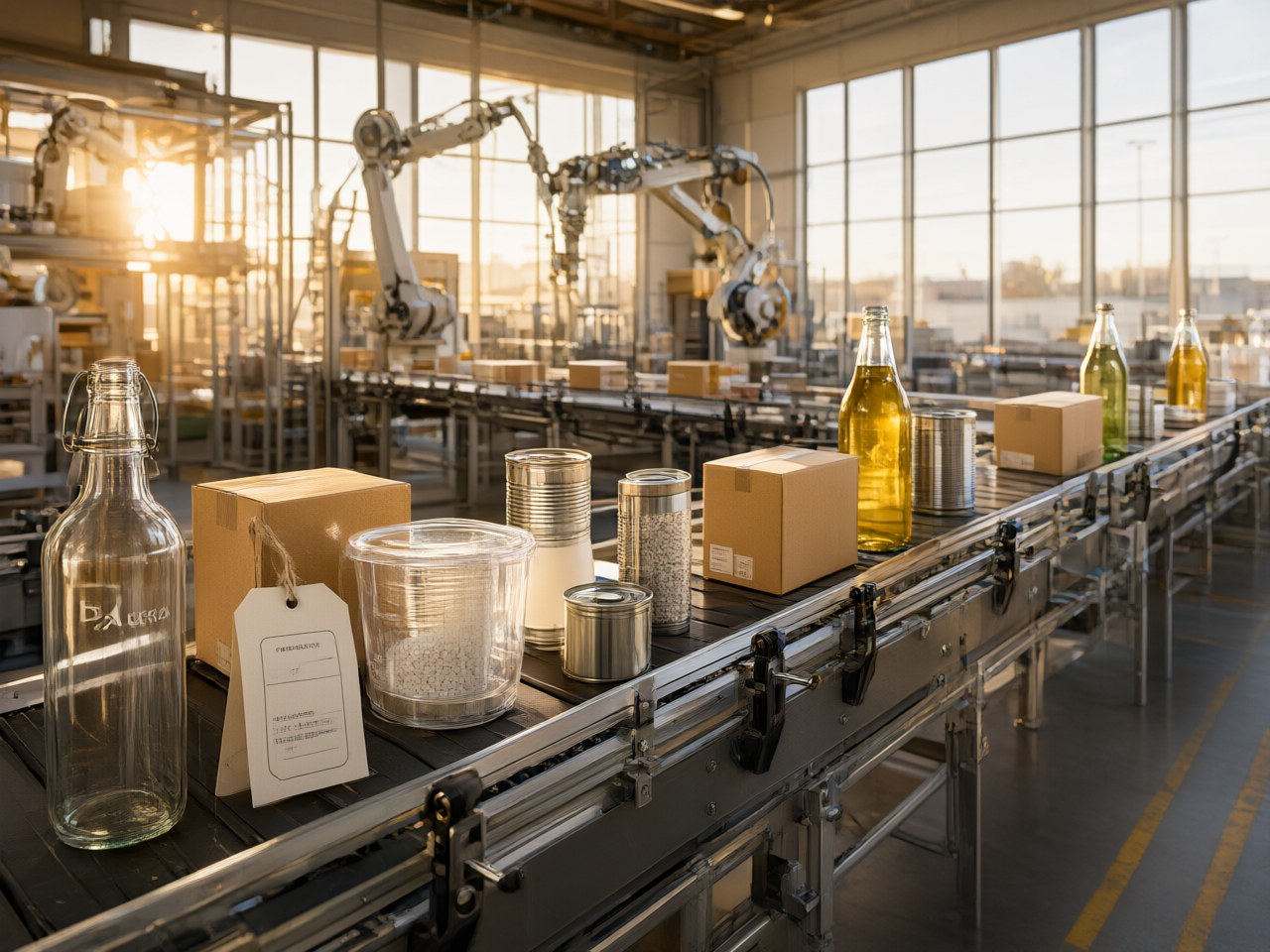
AMERIPEN notes that the study covers packaging made from glass, metals, fiber and plastics. It also covers products such as containers, boxes, cans, bottles, bags, protective packaging, labels, envelopes, packing materials, pallets and drums.
The study claims that through production and distribution linkages, the packaging industry affects businesses in more than 500 sectors of the U.S. economy, including manufacturing, transportation, warehousing, logistics, agriculture, construction, business services, retail and finance. AMERIPEN says the data reflects not only packaging manufacturers, but the broader economic activity connected to packaging production and distribution.
“Packaging is connected to an extensive network of materials, equipment, transportation, services and people,” Dyer says. “Understanding that broader footprint is important as policymakers, businesses and other stakeholders consider the role packaging plays in commerce and everyday life.”
The study claims that workers across the direct, supplier and induced categories receive an estimated USD 160.39 billion in wages and benefits. The study also estimates that packaging manufacturers and their employees contribute approximately USD 40.13 billion in federal taxes and USD 23.22 billion in state and local taxes, for a combined total of USD 63.35 billion.
The study includes national and state-level economic impact information, with additional data broken down by packaging material, supplier type and sectors of the economy.
AMERIPEN says the study used the Impact Analysis for Planning (IMPLAN) economic model to estimate the packaging industry’s direct, supplier and induced impacts, and developed direct packaging employment estimates using Data Axle employment data, product-level sales information from the U.S. Economic Census and industry classifications to identify the packaging-related share of economic activity.
Source
- Recycling Today (2026-10-30) - Original article: AMERIPEN study explores US packaging industry’s economic impact - https://www.recyclingtoday.com/ameripen-study-explores-united-states-packaging-industry-economic-impact