
Application Engineering
Engineering guides: printing, converting and specifying stone paper for real jobs.
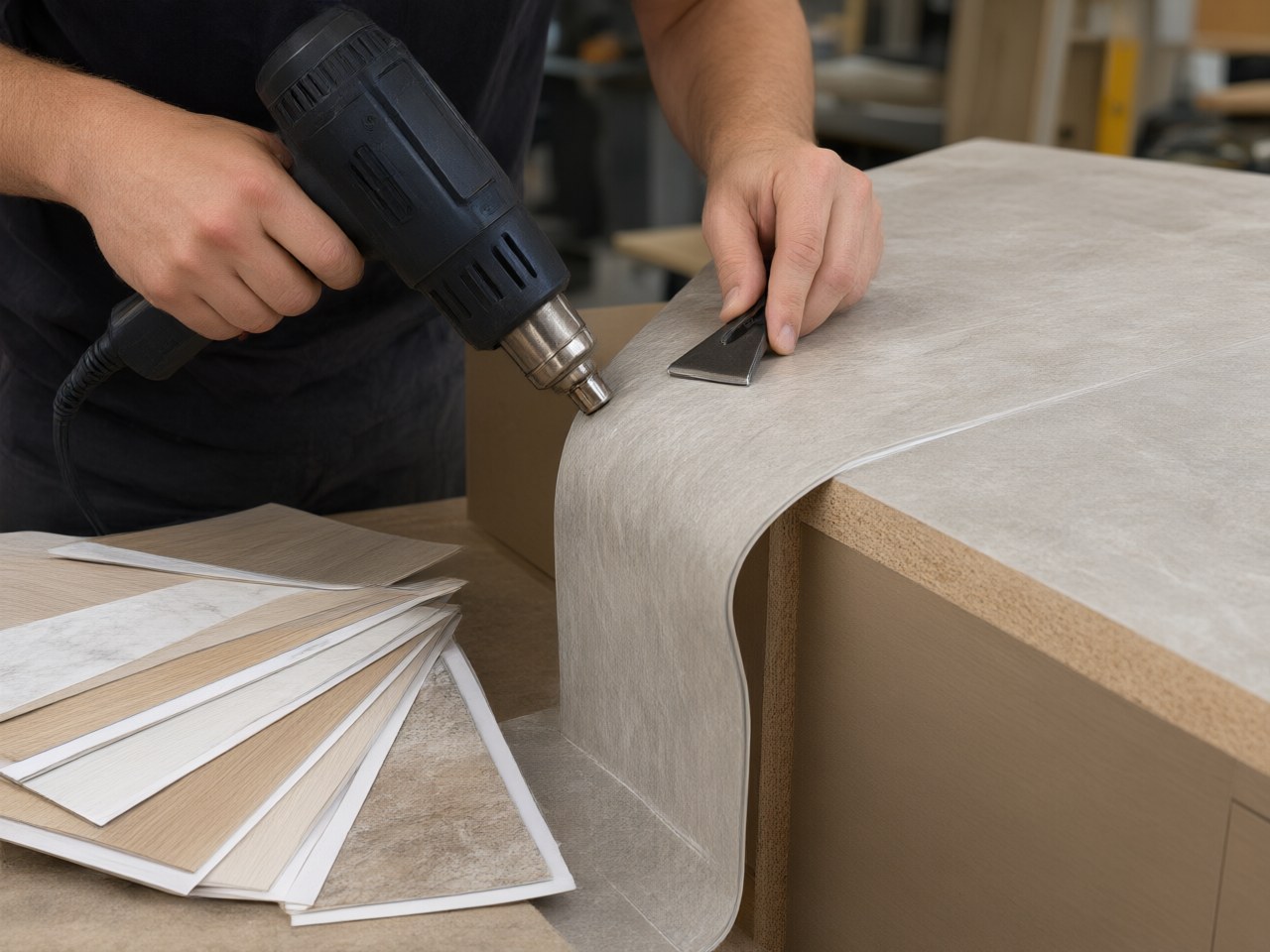
What Metrics Matter When Choosing Furniture Film, and When Is Stone Paper Suitable?
Selecting the optimal decorative film for indoor furniture requires balancing conformability, surface durability, heat resistance, and environmental compliance. Design engineers and procurement decision-makers often struggle to choose between stone paper, PVC, PET, and PP…
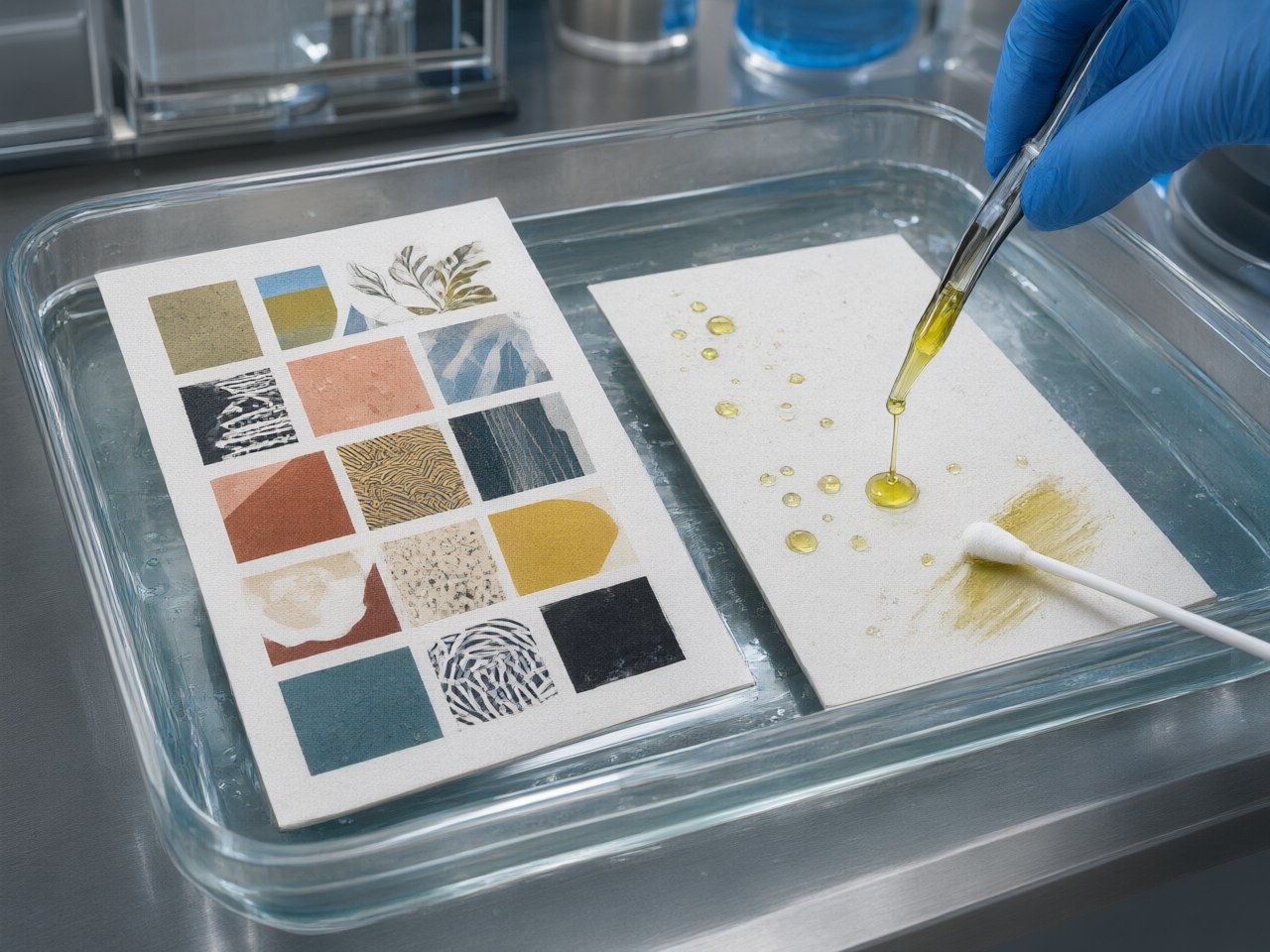
How Do You Run Water-Immersion and Grease Tests for Laminate-Free Waterproof Stone Paper Menus?
Restaurants increasingly demand durable, laminate-free waterproof menus, but transitioning to stone paper presents a critical engineering challenge: ensuring ink adhesion survives harsh daily exposure to water, grease, and chemical sanitizers. Unlike wood-pulp paper, stone…
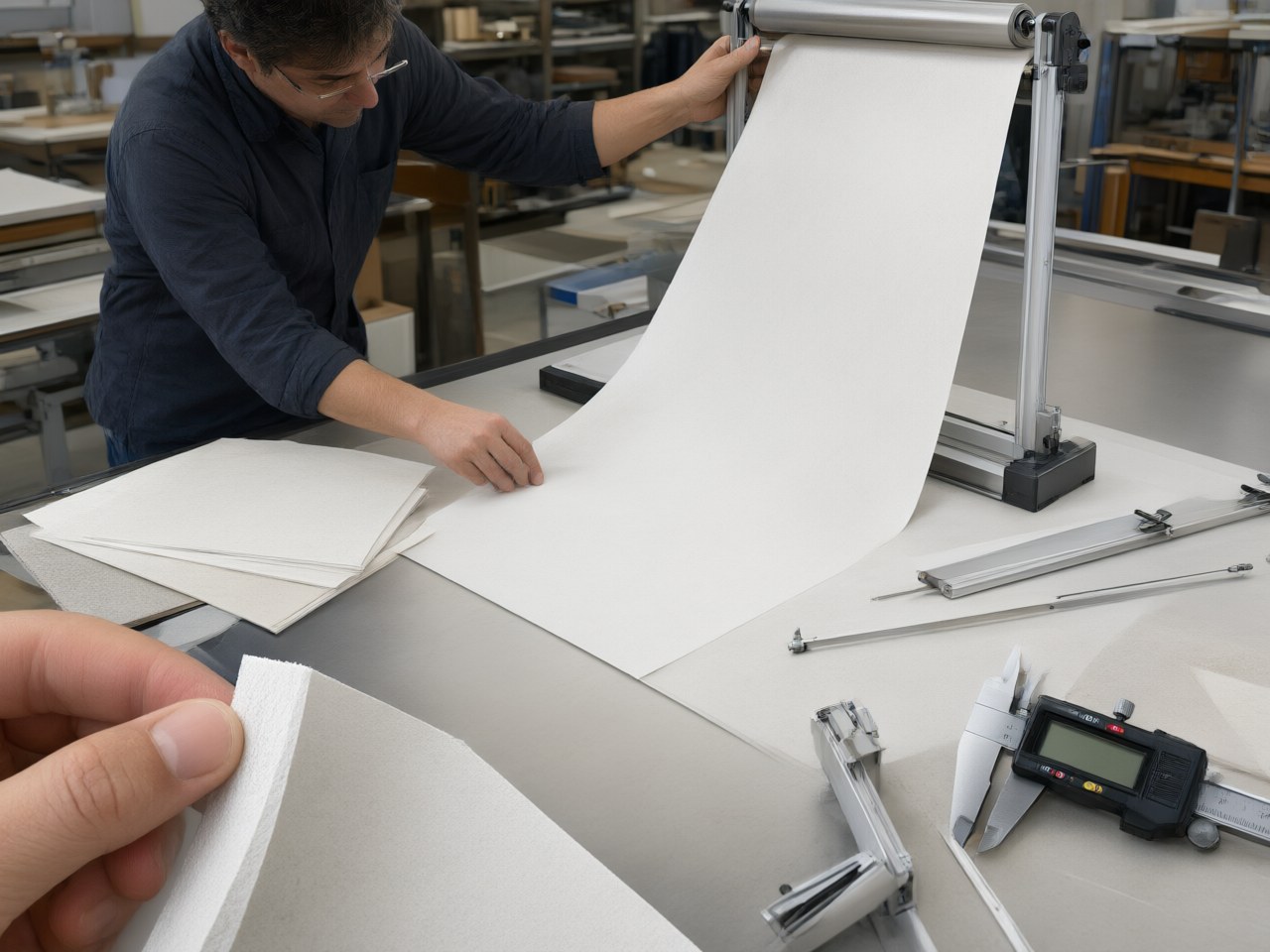
Which Stone Paper Grade Suits Roll-Up Banners and Display Stand Graphics? Choosing Thickness and Stiffness
Selecting the optimal stone paper grade for roll-up banners and display stands requires carefully balancing material stiffness, overall weight, and hardware compatibility. Design engineers and procurement decision-makers often struggle with media that wrinkles, curls, or…
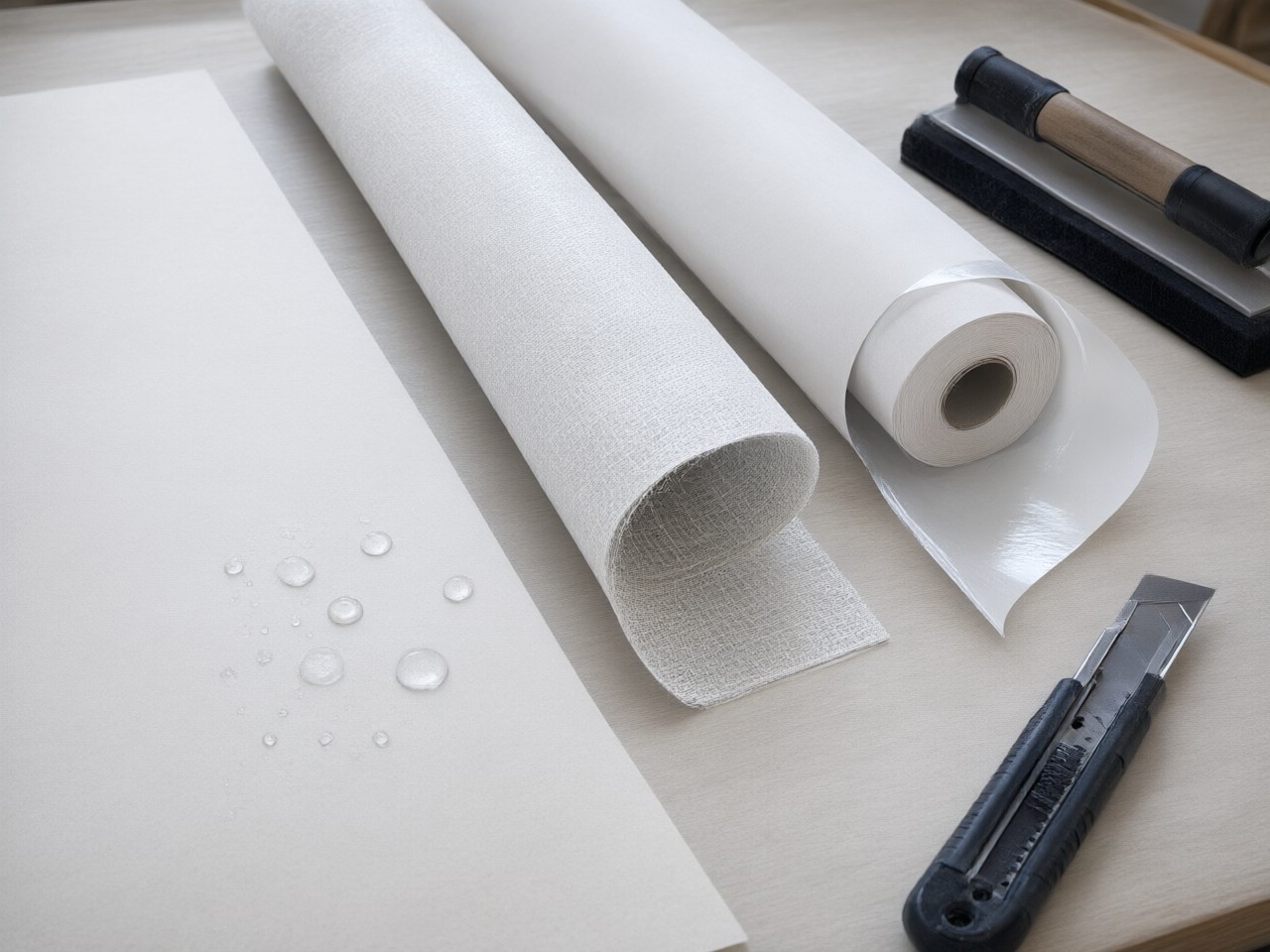
What Are the Three Forms of Stone Paper Wallcovering Substrate, and How Do Unbacked, Pre-Laminated and Self-Adhesive Differ?
Design engineers and procurement decision-makers face the challenge of integrating PVC-free, waterproof, and dimensionally stable stone paper into existing wallcovering production lines. The core engineering problem is selecting the optimal substrate format without disrupting…
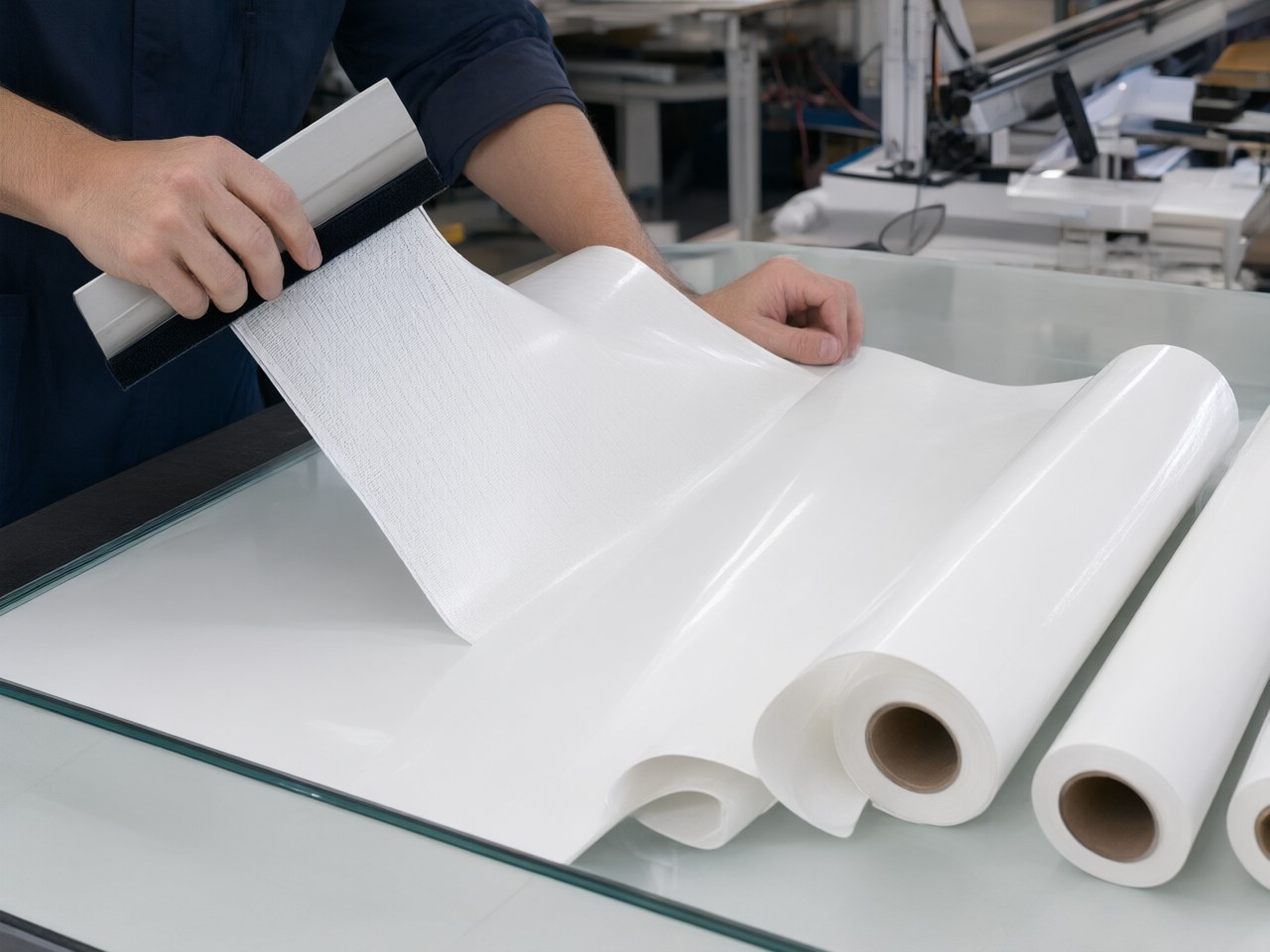
How to Choose Between PSA, WRA and DPA Adhesives? Permanent, Removable and Air-Release Use Cases
How to Choose Between PSA, WRA and DPA Adhesives? Permanent, Removable and Air-Release Use Cases Choose PSA when the graphic or label must stay fixed on a smooth surface. Choose WRA when the graphic must come off later, including where the surface is semi-rough. Choose DPA when…
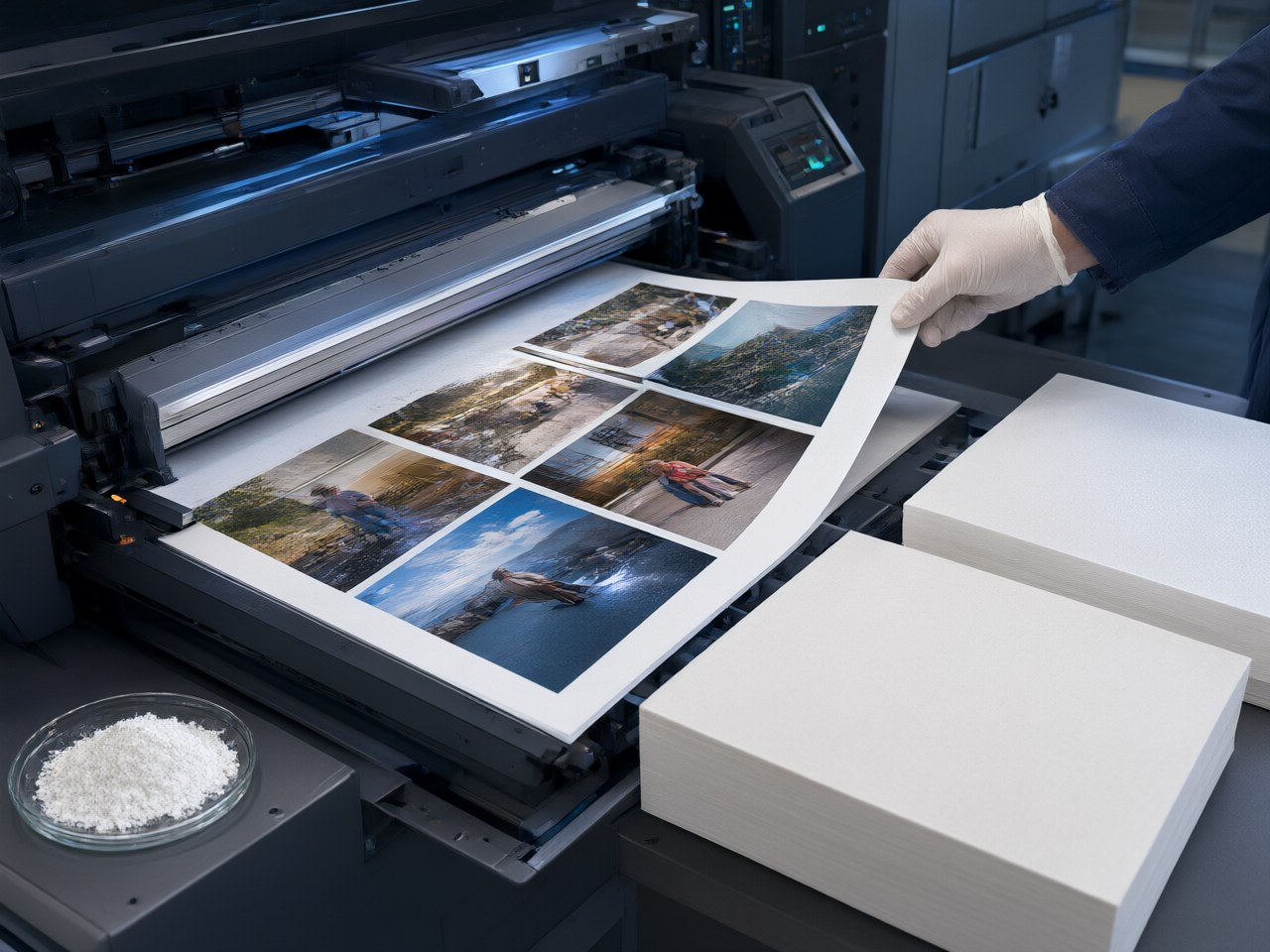
Which Stone Paper Grades Should You Choose for HP Indigo Printing? Choosing Between I and 2I Grades
Selecting the correct stone paper grade for HP Indigo digital printing requires strict adherence to documented coating specifications to avoid press failures and compliance issues. The core engineering problem is distinguishing between visually similar grades that possess…
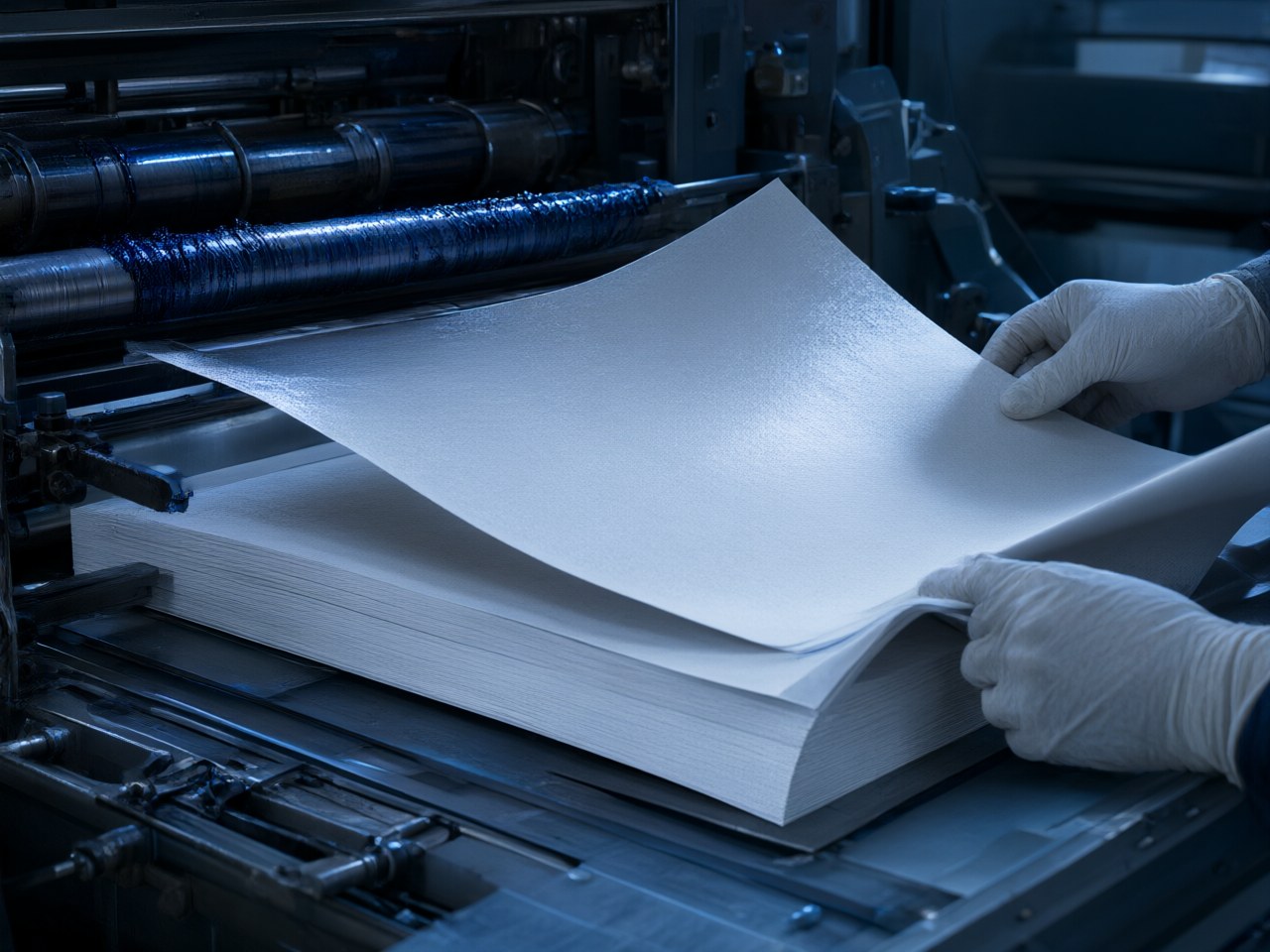
What to Watch Out for When Offset Printing on Stone Paper: Ink Choice, Drying and Stack Height
Printing on Flexstone stone paper requires strict adherence to published material specifications to avoid production failures. The core engineering problem is that stone paper behaves differently from wood pulp, meaning standard drying times and maximum stack heights are not…
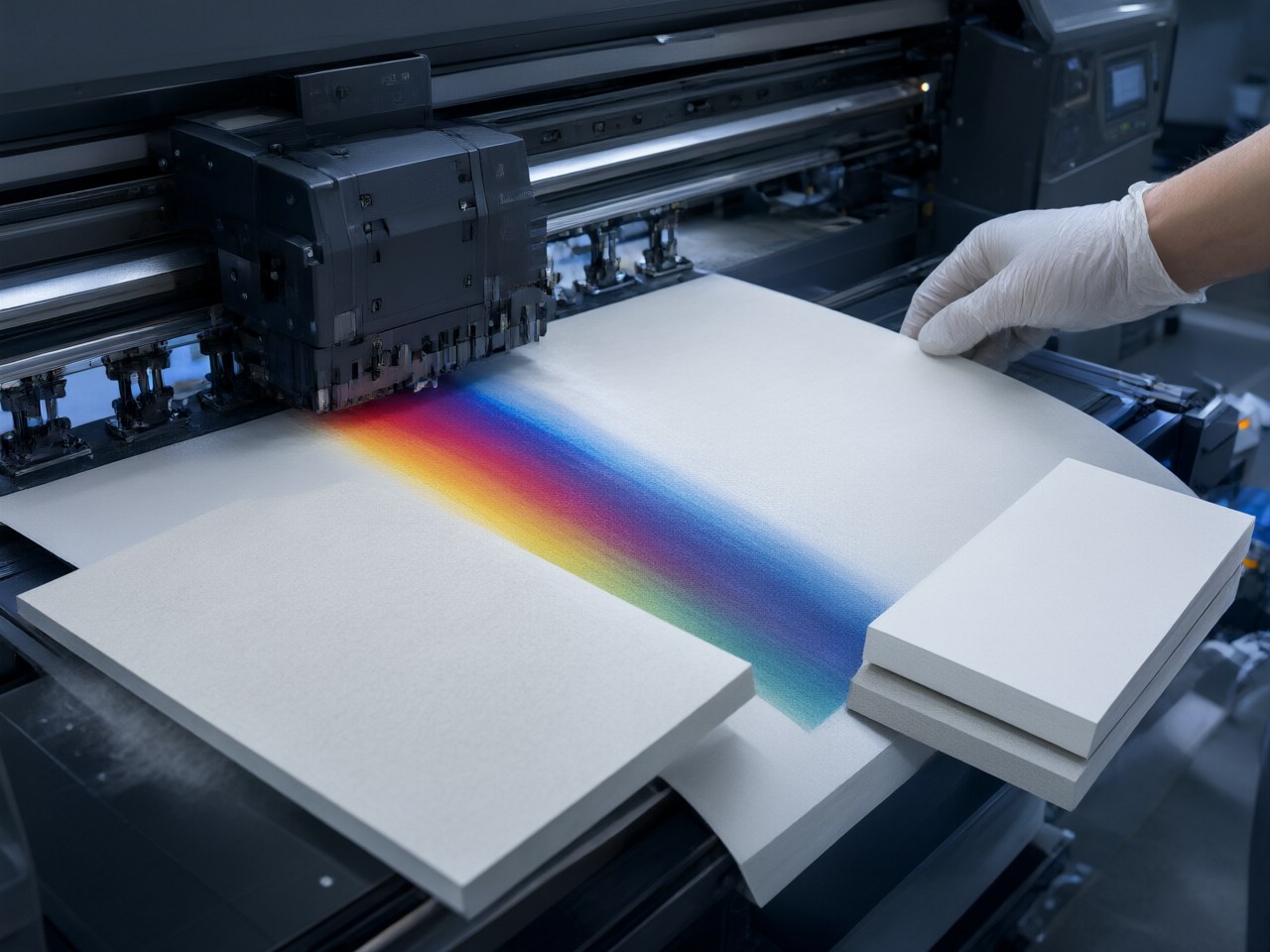
Which Flexstone Grade Should You Pick for a Weak-Solvent Printer? FS-S and FG-S Specifications Compared
When specifying stone paper for weak-solvent wide-format printers, design engineers and procurement teams must select the correct non-adhesive S-coating grade to ensure ink compatibility and optimal roll handling. This article compares the FS-S and FG-S Flexstone grades, which…
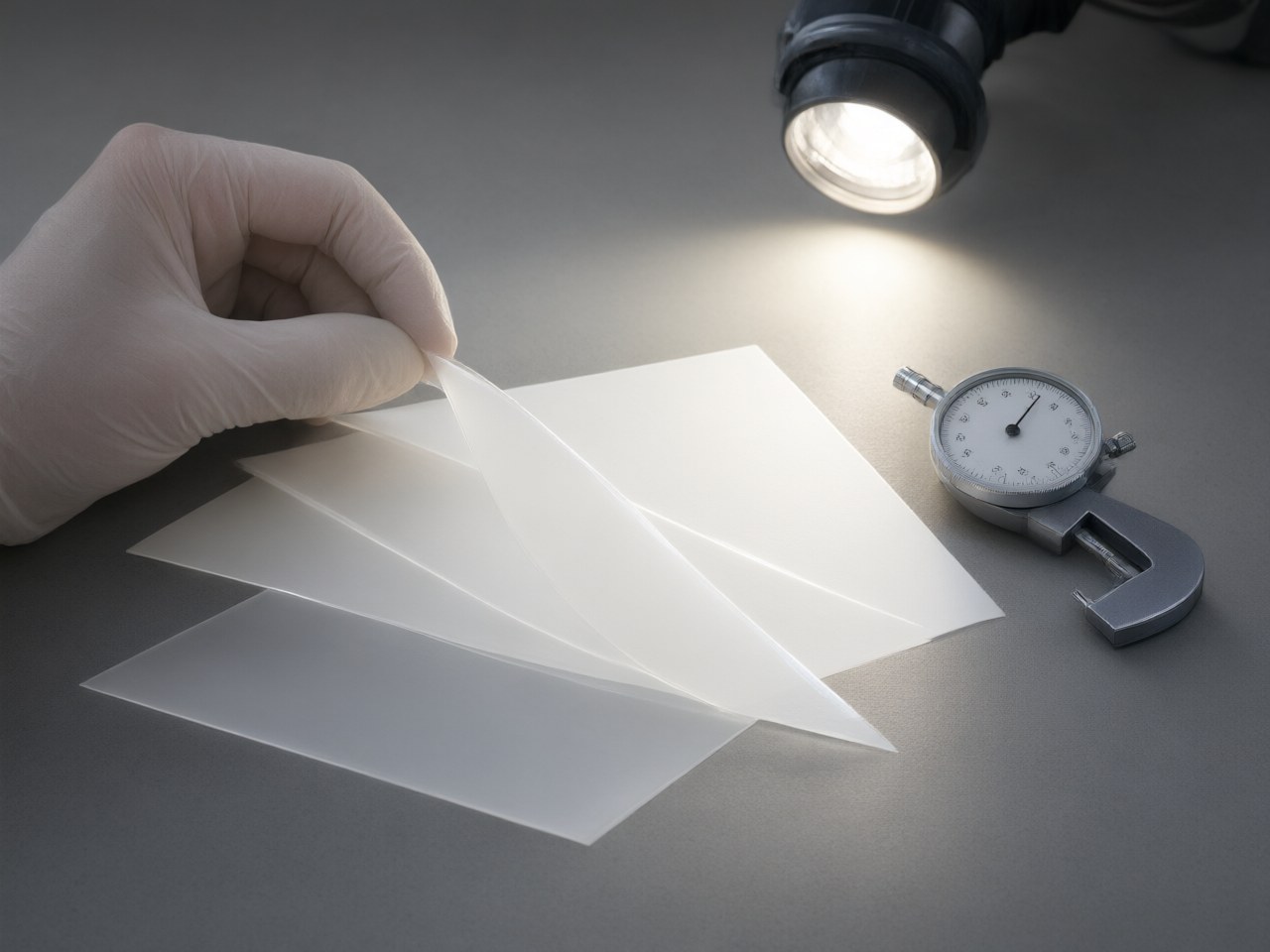
What Are the Differences Between the FS, FM and FG Density Series? Softness, Stiffness and Opacity Compared
Design engineers and procurement decision-makers often face confusion when selecting the right Flexstone film density series. The core engineering problem is distinguishing how the FS, FM, and FG prefixes impact material performance without conflating density with optical or…
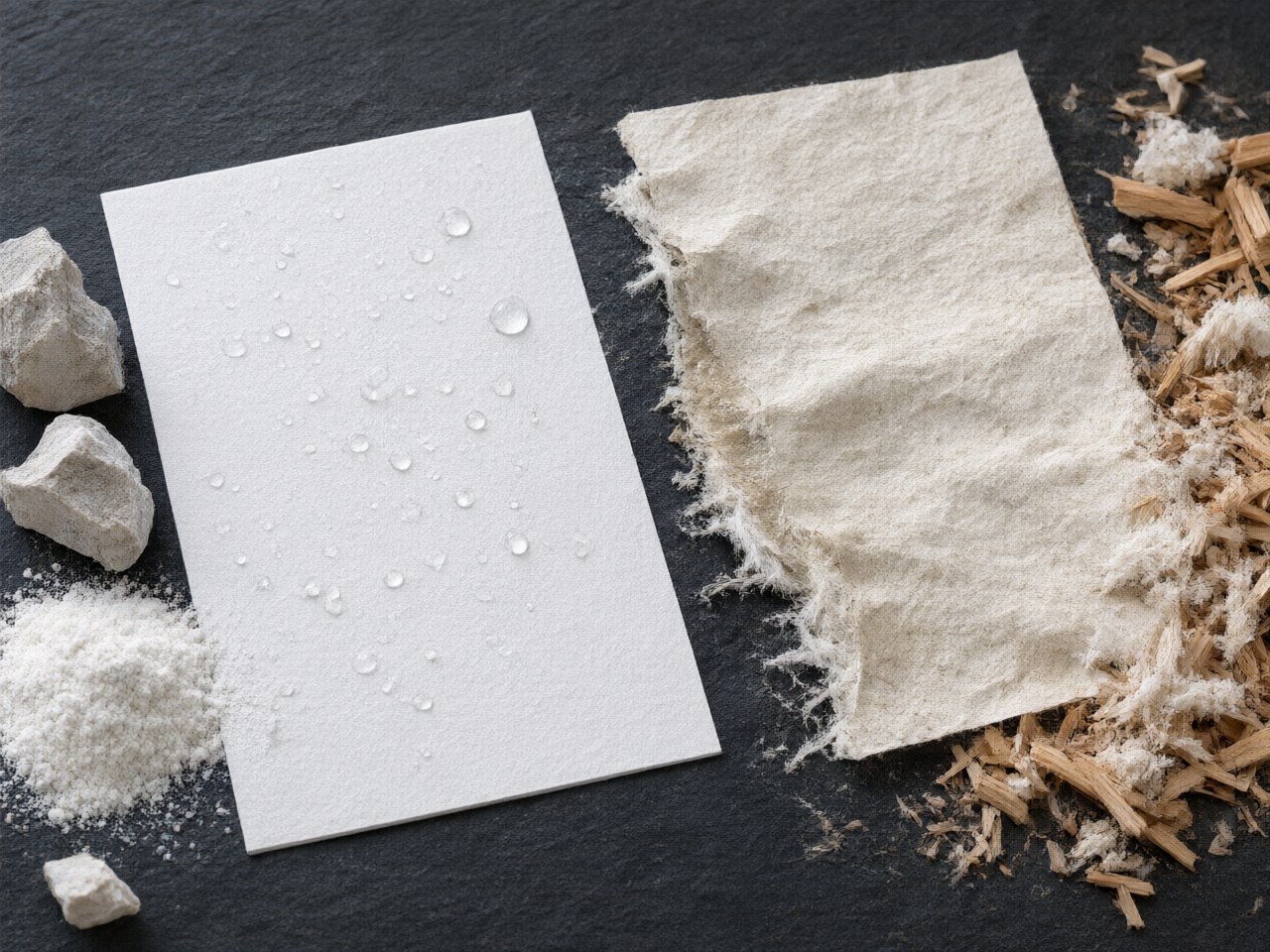
What Is Stone Paper? Composition, Structure, and How It Fundamentally Differs from Wood-Pulp Paper
Design engineers and procurement teams often face material failures in humid environments when traditional wood-pulp paper swells, loses strength, or tears. Flexstone stone paper offers a robust alternative by replacing cellulose fibers with a composite of 60 to 80 percent…